Every end of term brings the same question: what do I write on the card? You stare at the blank page, pen in hand, wondering how to squeeze a whole year's worth of gratitude into a few lines. You want it to feel personal, but you're worried it'll come across as cliché. You want to be original, but not over the top.
Here's the good news: there's no such thing as a bad thank you note. What matters is the thought behind it. A simple, genuine sentence will always land better than a long, overwrought paragraph. And if inspiration really won't come, our templates are here to get you started.
The classic heartfelt message
Sometimes simplicity is the best approach. A direct, warm thank you with no frills works every single time. This type of message is reliable because it gets straight to the point.
When to use it: when you want something warm and understated · Format: card, notebook, book
The funny one
A message that makes someone smile is a message they'll read again. If the teacher has a good sense of humour (and most of them do — it's basically a survival skill in that job), don't be afraid to add a touch of lightness.
When to use it: when you know the teacher well · Format: card, oversized post-it
The message written by your child (with a little help)
Children's words are often the most touching, precisely because they're raw and unfiltered. But sometimes your child needs a gentle nudge to get started. Ask them simple questions: what was your favourite thing this year? What does your teacher do that you really like?
When to use it: always! This is the kind of note teachers keep for years · Format: drawing, handmade card
The message for a nursery or reception teacher
In the early years, the teacher plays a unique role: they're often the first person outside the family that your child learns to trust. Recognising that special bond in your message makes the whole thing feel much more personal.
When to use it: reception, nursery, first year of school · Format: card with a drawing by the child
The message for a male teacher
Male teachers tend to receive far fewer thank you notes than their female colleagues. That's a shame, because they're just as touched by a thoughtful message. A personalised note will mean even more precisely because it's unexpected.
When to use it: for any male teacher · Format: card, personalised book
Parent tip
To make your message stand out, mention a specific moment from the year: a school trip, a performance, a class project, or a milestone your child reached. That one concrete detail is what turns a generic note into an unforgettable keepsake.
The message for a teaching assistant
The teaching assistant (or classroom assistant) is the person who comforts, wipes tears, helps with coat zips and knows every child's little quirks. Yet they're often forgotten when thank you cards go round. This is your chance to put that right.
When to use it: whenever there's a teaching assistant · Format: a separate card from the teacher's
The message after a tough year
Not every school year is smooth sailing. When your child has faced challenges — a rocky start, behavioural struggles, learning difficulties — thanking the teacher for sticking with it carries even more weight. These are often the messages that mean the most to them.
When to use it: after a year with challenges · Format: handwritten letter (more personal)
The group message from all parents
If you're the class parent rep or organising a group gift, a joint message signed by all families is a lovely touch. It shows that the gratitude comes from the whole class, not just a handful of parents.
When to use it: to go with a group gift · Format: large card signed by everyone
The message to go with a personalised book
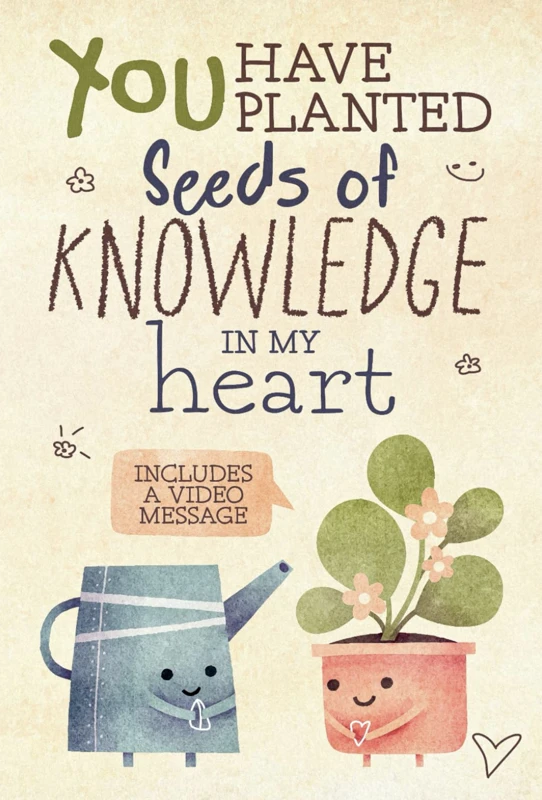
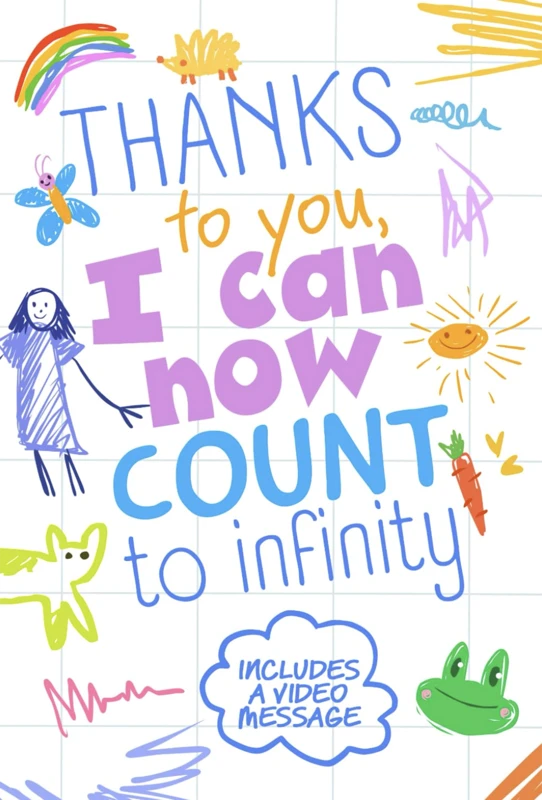
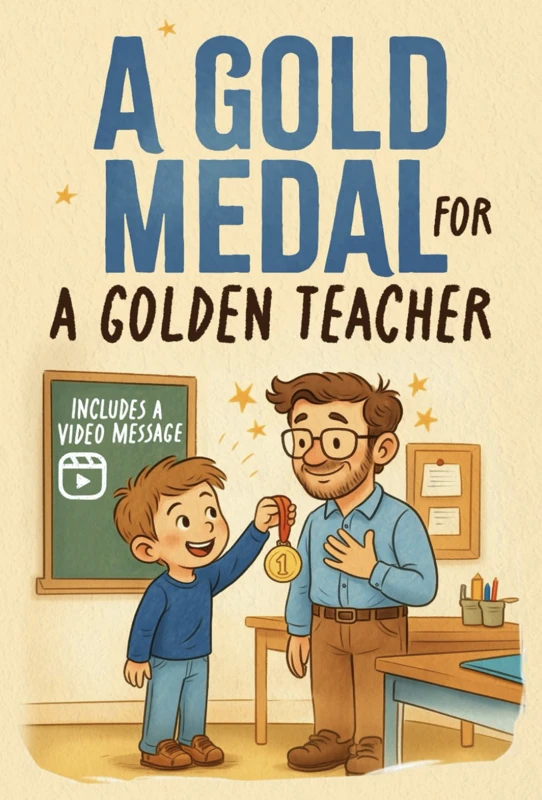
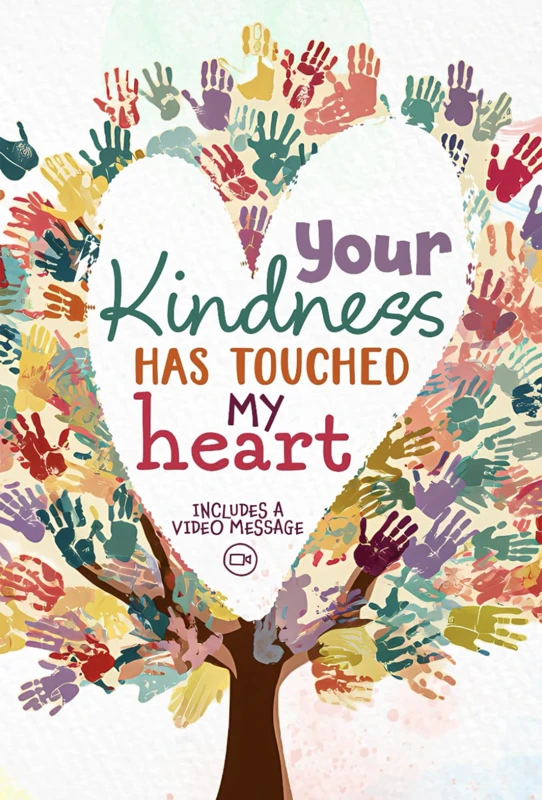
When the gift is a personalised book — like those from Thank You Teacher, with a QR code to send a video message — your note can bridge the gap between the physical book and the digital surprise. It's the perfect way to guide the teacher towards the video waiting inside.
When to use it: with a Thank You Teacher book · Format: first page of the book or a card tucked inside
The short message (when you're stuck)
You don't need to write an essay. Two or three honest sentences are more than enough. Don't let the fear of writing something imperfect stop you from writing anything at all. A clumsy but genuine note will always beat an empty card.
When to use it: when the blank page has you frozen · Format: post-it, card, anything at all
Our tips for a great thank you note
Whichever template you pick, keep these golden rules in mind:
- Include your child's name — the teacher has 25+ families to keep track of. Helping them place who's writing is a thoughtful touch in itself.
- Add a specific detail — a precise memory from the year makes the message unique and shows you've been paying attention.
- Write it by hand — even if your handwriting isn't perfect, a handwritten note carries an emotional weight that a typed message simply can't match.
- Let your child add something — a drawing, a signature, a few words in their own style. It's often the teacher's favourite part.
- Don't forget the teaching assistant — a separate note for each member of staff shows you recognise their individual contribution.
- Don't wait until the last day — a note given a week before term ends will be read more calmly and savoured more deeply.
Going further: a note plus a video
A written message is wonderful. A written message paired with a video from your child is something else entirely. Picture the teacher opening the book, reading your note, then scanning the QR code to discover a video where your child says "Thank you, teacher!" with their biggest grin.
That's exactly what Thank You Teacher books make possible: a physical keepsake enriched with a personal digital message. The best of both worlds.
Conclusion
A thank you note for your child's teacher is one of those small gestures that makes a real difference. Whether you write three lines or thirty, whether your child draws a masterpiece or a stick figure, the point is to express your gratitude. Teachers go through long, sometimes thankless days. Knowing that a family thought of them, that a child will remember their year together — that's often what gives them the energy to start again in September.
So this year, don't let the blank page win. Grab a pen, pick one of our templates, and write the note that'll make your child's teacher smile all summer long.