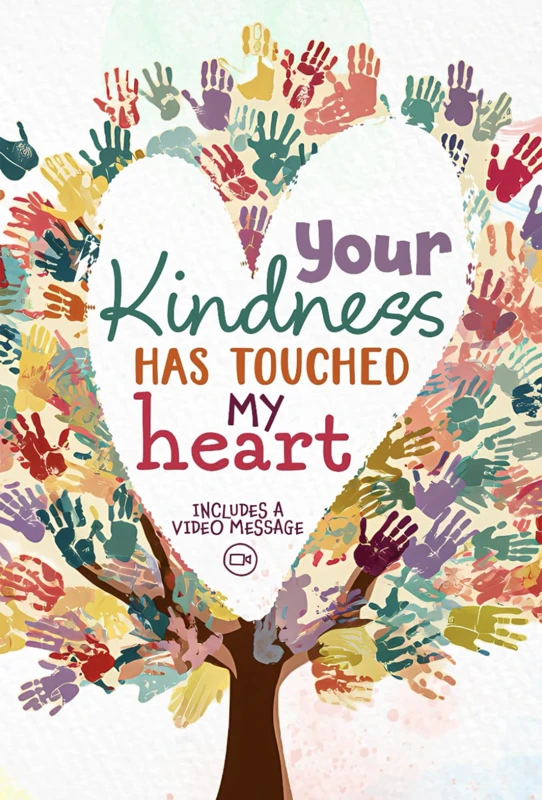
A thank you note is often what touches a teacher most. You don't need complicated sentences or a ten-minute speech. A few sincere lines, written from the heart — or gently guided with your child — can stay with a teacher for years.
These templates are starting points. Personalise them with a specific memory, your child's name, an anecdote from the year. That detail is what transforms a generic message into an irreplaceable keepsake.
The simple, sincere message (from the child)
This template is perfect for a child aged 6 to 10 who writes it themselves. Guide them gently, and let their imperfect words stand — that's exactly what makes them beautiful.
Tip: Ask your child to replace the "I really loved" part with their own real memory. That's what will make the message truly unique.
For: teacher, classroom assistant · Recommended age: 6-10
The end-of-year message (from the parents)
This message comes directly from the parents. Warm, grateful, and showing that you've been paying attention to the teacher's work throughout the year.
Tip: Add a concrete observation — for example: "In September, [child's name] would come home from school sulking. In June, they run to tell us about their day." That specificity brings the message to life.
For: teacher · Tone: warm, formal-friendly
The message for a shy child who blossomed
Some children arrive in September folded in on themselves and leave in July with a voice and a newfound confidence. If your child has experienced this, this message is for them.
Tip: This message is powerful because it tells a transformation. Adapt the details to your child's real story — it's your experience that gives it all its meaning.
For: teacher · Tone: emotional, personal
The message for a child who struggled
When the year has been hard — learning difficulties, focus challenges, an emotionally tough period — and the teacher stood steadfastly by your child's side throughout.
Tip: If you'd prefer to be more discreet about the difficulties, soften the second sentence — something like "This year required a lot of flexibility and understanding." What matters most is the genuine recognition.
For: teacher · Tone: sincere, grateful
The poetic, imagery-filled message
For parents who love language and want to offer something a little more literary. This message uses lasting images.
Tip: This kind of message works particularly well tucked inside a book or a special gift. It gives the feeling that the gift and the note form a single, coherent whole.
For: teacher · Tone: poetic, literary
The tip that makes all the difference
Choose ONE specific memory from the year and weave it into your message. A classroom moment, a story your child told you one evening, something the teacher said. That concrete detail transforms an ordinary message into an irreplaceable keepsake.
The short and punchy message
You don't need to write a novel. Sometimes a short, direct message lands more deeply than a long one. Perfect when you're short on time or when your child is writing it themselves.
Tip: This template is perfect when you're out of inspiration or time. Its strength is its simplicity. Don't try to lengthen it — it's just right as it is.
For: teacher, teaching assistant · Tone: simple, direct
The message for the classroom assistant
Teaching assistants are often forgotten when it comes to end-of-year thank-yous. Yet they are with your child every day — through the tender moments and the little classroom crises. They deserve a real message too.
Tip: If you don't know the teaching assistant's name, ask your child — they almost certainly do! Using their name shows that you've truly seen them, not just "the assistant".
For: classroom assistant / teaching assistant · Tone: warm, appreciative
The message for a nursery or reception teacher
Starting nursery or reception is a huge milestone. The very first teacher is often the first significant adult outside the family. This message honours that role.
Tip: If your child likes to draw, invite them to add a picture of themselves and their teacher. In the early years, a drawing often speaks louder than words.
For: nursery or reception teacher · Tone: tender, nostalgic
The message for a teacher who is leaving or retiring
When a teacher moves on — a new school, retirement — it calls for something a little special. This message marks a meaningful moment in a teacher's life.
Tip: For a retirement, consider adding a line that honours the years of commitment: "Decades of doing this work with such passion — that deserves far more than our words can express."
For: teacher moving on or retiring · Tone: moving, meaningful
The whole-class message
When several families organise a joint gift, a collective message signed by every child in the class is an extraordinary keepsake. Here's a base text you can share, personalise, and sign as a group.
Tip: Print this text in a large format, let each child sign at the bottom (with a drawing or a small handprint for the youngest ones), and slip it into a frame or inside the class gift. It's often the keepsake teachers hold on to the longest.
For: teacher, teaching assistant · Tone: collective, celebratory
How to personalise these templates
These templates are springboards, not scripts to copy word for word. Here's how to make them genuinely yours:
- Add a specific memory — "I'll never forget the day you read us that story about dragons" is worth ten times more than any generic phrase.
- Use the child's name — it sounds obvious, but it changes everything. The message stops being anonymous.
- Mention a transformation — September versus June. That contrast tells a real story.
- Have your child sign it — even if they're small, even if their signature looks like a scribble. That's exactly what makes it precious.
- Be yourself — if you're not particularly "literary," don't force a poetic style. Simple sincerity always beats a beautiful phrase that rings false.
What if you went further than a note?
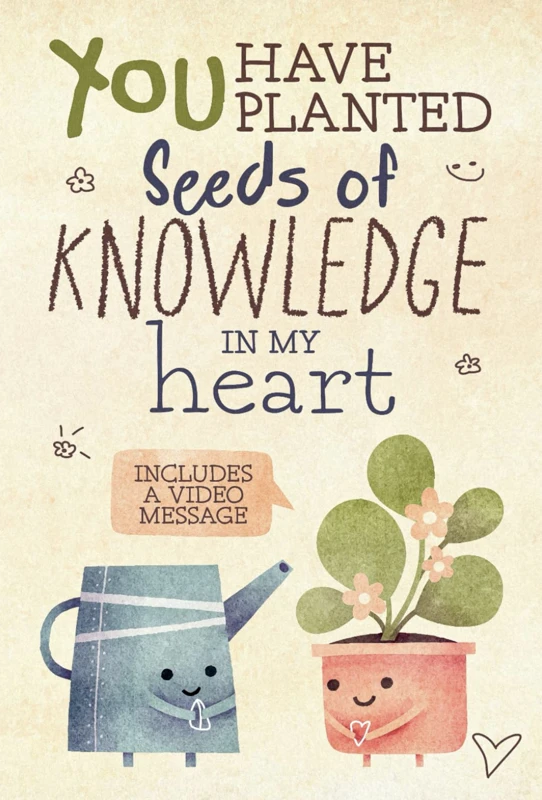
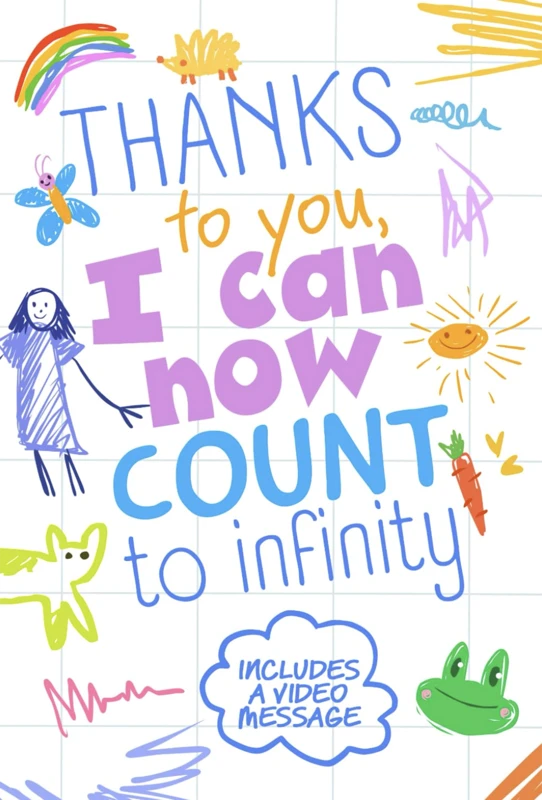
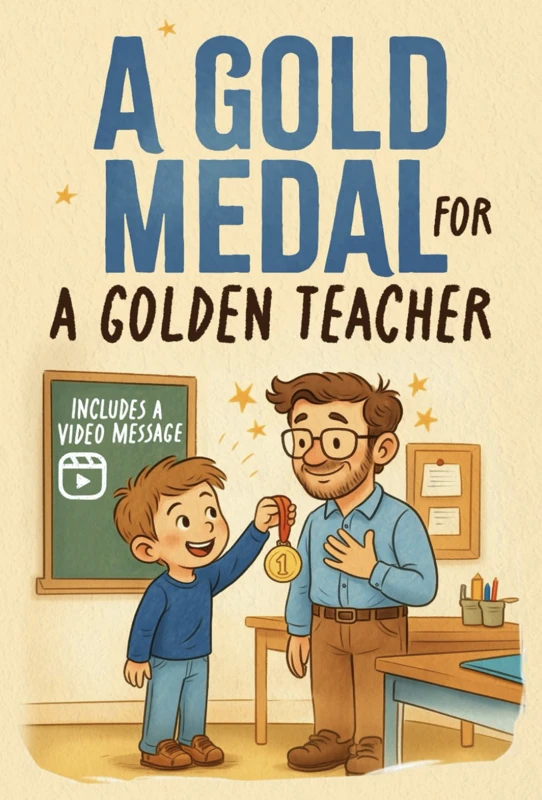
A thank you note tucked in an envelope is lovely. But imagine that same message inside a personalised book your child chose — a book the teacher can keep on their desk for the rest of their career. And with a QR code that opens a video of your child — a real "thank you" in their own voice, their own words, their actual smile.
That's exactly what Thank You Teacher books offer: a physical object that carries a personal digital message. The written note meets the personal video — for a memory that doesn't fade.
Conclusion
Whatever template you choose, what matters most is sincerity. When a teacher receives a moving message, they're not reading perfect words — they're hearing from a family who took the time to stop, to notice what they had done, and to say thank you.
And that is always the most beautiful gift of all.